
Reckoning with Slavery, Seeking Repair – Grant Supports Racial Justice Curricula
January 23, 2026
Thanks to a donation from a private individual, New Brunswick Theological Seminary is developing “Reckoning with Slavery, Seeking Repair,” a history and racial justice education curricula for churches and community groups in New Jersey.
The project’s purpose is to develop curricular resources to foster critical thinking and theological reflection about slavery and its legacy of racial inequalities, especially regarding how those realities intersected with religious institutions in New Jersey. The materials will inform and encourage churches and community organizations in their pursuit of social justice.
This curriculum project builds on the work of the Pequannock Community History Grant funded by the Grounded Knowledge Project. That project convened an advisory council to recommend how best to acknowledge human remains found at Rutgers University, remains from African American residents enslaved during the 19th century.
The council’s work led to a respectful reburial of the remains along with public memorial events to honor the deceased. Resulting community conversations revealed a pressing need for resources to educate churches and communities about the history and impact of slavery and other racial injustice, especially how those realities intersect with voices in the Church.


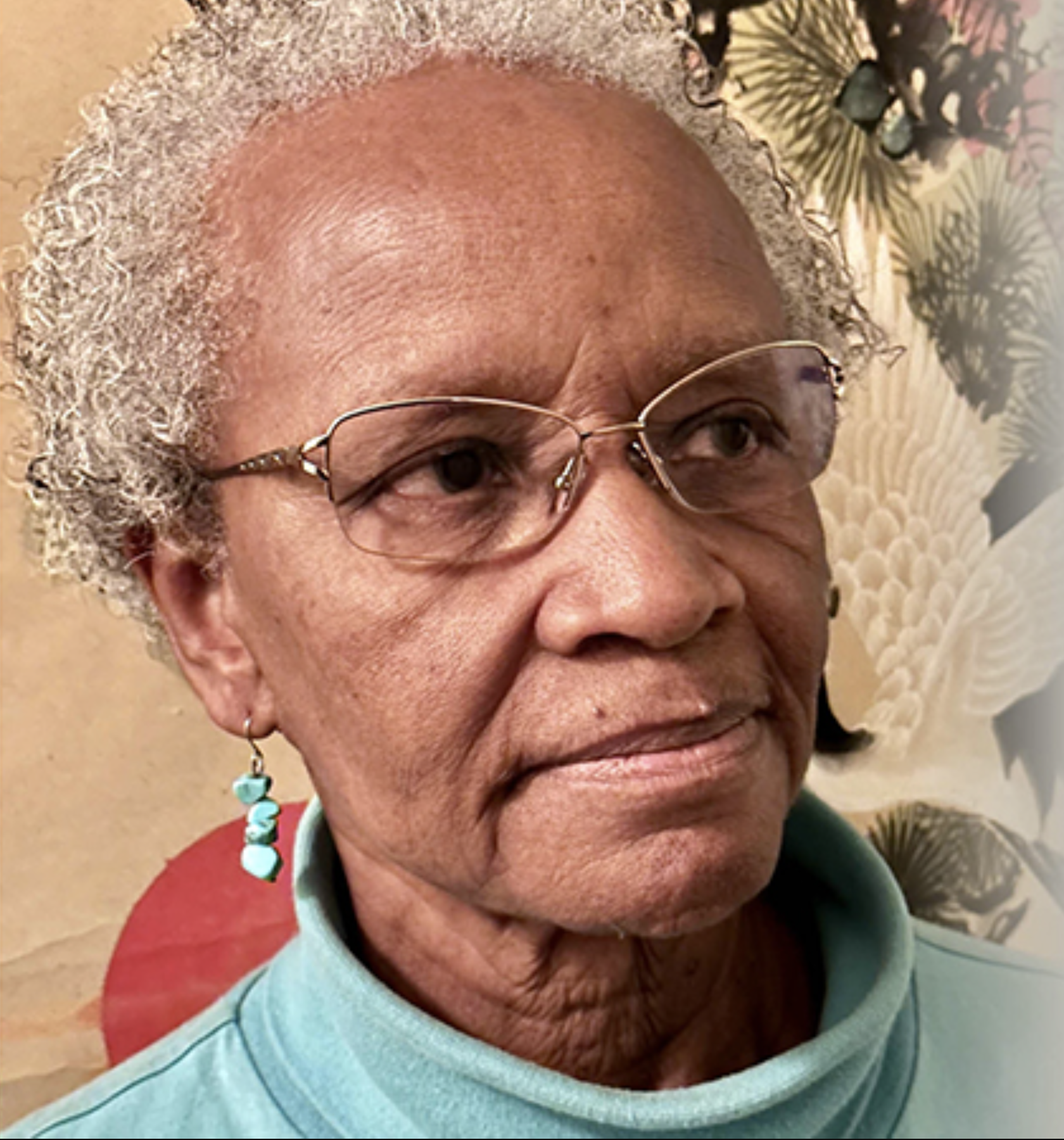
This new curriculum project is led by Dr. elmira Nazombe, longtime social justice educator and curriculum designer, and Dr. Nathan Jérémie-Brink, L. Russell Feakes Associate Professor of the History of Global Christianity at NBTS. Both were directly involved in the Pequannock project.

The team will create a timeline documenting histories of slavery and liberation for Black communities in New Jersey, demographic shifts and twentieth-century Black migration into New Jersey, and events documenting patterns of discrimination that are the legacy of slavery and anti-Black racism. The curriculum will include case studies of people, churches, and events. Prospective content will include topics such as the slave markets of Perth Amboy, the role of the Klan in the 1920s, redlining against Black residents, as well as the growth of Black education, Black church organizing, and antiracism statements from religious institutions.
The goal is to provide a curriculum that can be tailored to both church-related and community-oriented groups. Focused on what transpired in New Jersey, the curriculum will encourage reflection on how communities can best enact justice work.
NBTS is grateful to lead this project as its institutional relationship with slavery is complicated. Many individuals and churches who supported the Seminary in its early years achieved their prominence and wealth due in part to the institution of slavery. The Seminary’s first president, John Henry Livingstone, was a slave owner.
Today, engaging the work of justice is core to NBTS’ identity. All students, employees, and Board of Trustees members are required to take the Analyzing Systems of Privilege workshop. Justice is a theme integrated throughout the curriculum and throughout the life of the Seminary.
NBTS’ Reformed Church Center will host a virtual roundtable event featuring the project’s curriculum development team on February 11 at 12 noon EST. The Reformed Church Center Roundtable will discuss theological and spiritual approaches of clergy and community leaders who have been engaged in this work. The team plans to release curriculum materials available for church and community use by fall 2026. Click here to register Meeting Registration – Zoom.